Pages

Translate

Tuesday, 26 March 2013

arthritis diet


Dietary Changes That May Help Ease Rheumatoid Arthritis Pain
Is there an arthritis diet?
By Mara BetschAnywhere from 33% to 75% of people with rheumatoid arthritis (RA) feel that there are some foods that make symptoms, such as stiff and painful joints, better or worse. 
ra-joint-pain
However, the scientific evidence is spotty. 

“There’s no compelling data that generalizes all patients,” says Nortin M. Hadler, MD, professor of medicine and microbiology-immunology at the University of North Carolina at Chapel Hill and author of Worried Sick. 

“There are multiple trials, but the effects are minimal.” Even if some foods do alleviate RA symptoms, it would be hard to sort out individual diet factors, Dr. Hadler adds. 

That said, here are six dietary changes that may be worth trying if you have rheumatoid arthritis.

Therapy vs. Surgery for Torn Knee Cartilage


Therapy vs. Surgery for Torn Knee Cartilage

"The article reinforces the standard that if a patient suffers a degenerative meniscal tear related to mild to moderate osteoarthritis then the first line of treatment is typically physical therapy," 
Physical therapy is comparable to surgery in improving movement and reducing pain for some patients with knee arthritis and torn knee cartilage, new research finds.

Many middle-aged and older adults have severe knee pain due to a tear in the meniscus, a crucial support structure in the knee that is often damaged in people with knee osteoarthritis.

Each year in the United States, more than 450,000 arthroscopic surgeries are performed to treat meniscal tears, but scant data exist to help doctors determine if physical therapy or surgery is the best treatment for a patient, according to the researchers at Brigham and Women's Hospital in Boston.

Their study of 351 patients -- all over age 45 with knee pain, meniscal tear and knee osteoarthritis -- suggests that physical therapy may be equal to surgery for some patients.

Participants were randomly assigned to be treated with either arthroscopic surgery or physical therapy. When they were assessed six and 12 months later, both groups had substantial and similar improvements in movement.

The study was scheduled for presentation this week at the annual meeting of the American Academy of Orthopaedic Surgeons, in Chicago, and published online March 19 in the New England Journal of Medicine.

"Since both the patients who received physical therapy and those who received surgery had similar and considerable improvements in function and pain, our research shows that there is no single 'best' treatment," principal investigator Dr. Jeffrey Katz said in a hospital news release.

However, the release noted that some of the original physical therapy patients did eventually opt for surgery.

"Patients who wish to avoid surgery can be reassured that physical therapy is a reasonable option, although they should recognize that not everyone will improve with physical therapy alone. In this study, one-third of patients who received physical therapy ultimately chose to have surgery, often because they did not improve with [physical therapy]," added Katz, who is director of the Orthopedic and Arthritis Center for Outcomes Research at Brigham and Women's Hospital, and a professor of medicine and orthopedic surgery at Harvard Medical School.

One expert agreed with those conclusions.

"The article reinforces the standard that if a patient suffers a degenerative meniscal tear related to mild to moderate osteoarthritis then the first line of treatment is typically physical therapy," said Dr. Leon Popovitz, an orthopedic surgeon at Lenox Hill Hospital in New York City.

"If patients do not improve, then arthroscopy is a viable option to improve their symptoms," he added.

Is It Safe to Have Both Knees Replaced at Once?


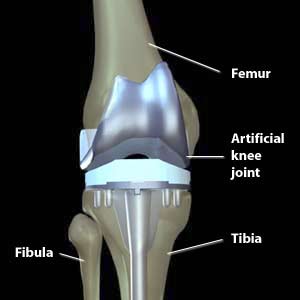
"If you and your surgeon decide that total knee replacement is right for you, a date will be scheduled for your surgery. Several things may be necessary to prepare for surgery. For example, your surgeon might ask you to have a physical examination by an internist or your regular doctor.

Because blood transfusions are likely to be needed during your surgery, you may want to donate one unit of your own blood, or possibly two units if your surgeon feels it is needed. All preparations for surgery should be discussed with your surgeon.

On the day of surgery, a small tube (intravenous line) will be inserted into your arm. This tube will be used to administer antibiotics and other medication during your surgery. You will then be taken to the operating room and given anesthesia. After the anesthesia takes effect, your knee will be scrubbed and sterilized with a special solution.

The surgery will begin with an incision over the knee that will expose the joint. When the bones are fully visible to the surgeon, special, precision guides and instruments are used to remove the damaged surfaces and shape the ends of the bones to accept the implants.

The implants are then secured to the bones. It might also be necessary to adjust the ligaments that surround the knee in order to achieve the best possible knee function. When the surgeon is satisfied with the fit and function of the implants, the incision will be closed.

A special drain may be inserted into the wound to drain the fluids that naturally develop at the surgical site. A sterile bandage will then be applied, and you will be taken to the recovery room, where you will be closely monitored. Your surgery will likely take between one and three hours, depending on your individual circumstances.

As your anesthesia wears off, you will slowly regain consciousness. A nurse will be with you, and may encourage you to cough or breath deeply to help clear your lungs. You will also be given pain medication. When you are fully awake, you will be taken to your hospital room. Your knee will remain swollen and tender for a few days.

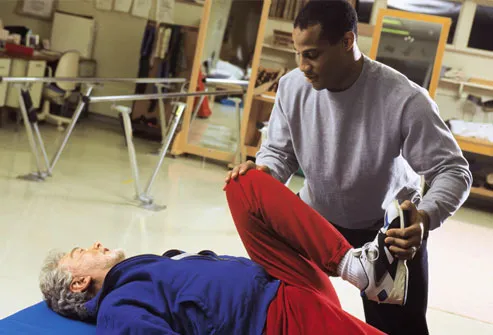
When you are back in your hospital room, you will begin a rehabilitation program that will help you regain strength, balance, and range of movement in your knee. This program will be designed specifically for you. It may include a machine, called a continuous passive motion machine that automatically moves your leg to help reduce stiffness. (NOTE: this is a bit disconcerting but not painful).

Your physical therapist will help you perform appropriate exercises. About 24 hours after surgery, you will probably be asked to stand. Within the next 24 hours, you will probably begin to walk a few steps with the help of a walker. You will be discharged as soon as your surgeon determined that you have recovered sufficiently. You can expect to stay in the hospital for about three days after your surgery. You may or may not be transferred to a rehabilitation facility for a few more days, as determined by your surgeon. Your bandages and sutures will usually be removed before you leave the hospital. At home, you will need to continue your exercises. Your physical therapist will instruct you about proper home care, and may continue to work with you.

Within six weeks after surgery, most patients are able to walk with a cane. You will probably feel well enough to drive a car within seven to eight weeks after surgery.

In most cases, successful joint replacement surgery will relieve your pain and stiffness, and allow you to resume many of your normal daily activities. But even after you have fully recovered from your surgery, you will still have some restrictions. Normal daily activities do not include contact sports or activities that put excessive strain on your joints. Although your artificial joint can be replaced, a second implant is seldom as effective as the first.

Knee replacement is a routine surgery performed on over 600,000 people worldwide each year. Over 90% of people who have had Total Knee Replacement experience an improvement in knee pain and function."


Slings for little broken bones Approved by Orthopedic Surgeons
Knee replacement surgery is performed on patients with severe knee arthritis, who have failed to find improvement with nonoperative treatments for arthritis. Often knee arthritis is a problem in both of a patient's knees.


Is It Safe to Have Both Knees Replaced at Once?


Bilateral knee replacement surgery means that both knees are replaced. Patients who have severe knee arthritis in both knees may be good candidates to undergo bilateral total knee replacement.

One concern of bilateral knee replacement is if there is an increased chance of complications from surgery. One complication, having a blood clot, has recently been shown to occur more frequently in patients having both knees replaced in one operation.

Discuss with your doctor if you want to consider bilateral knee replacement.


I had both knees replaced 11 weeks ago. I had severe arthritis in both knees and felt this was my only option as I could hardly walk by the time I had the surgery. I am very pleased with my results. I can walk normally and without pain. The therapy sessions are essential to proper recovery though. I spent a week in the intensive in-hospital rehab unit, where I had therapy twice a day. Since leaving the hospital, I have had therapy 3 times a week. I believe the therapy is at least 50% of my success, with my doctor’s expertise the other 50%. A positive attitude is also important, but at this point, I am ready to go back to work and am feeling great!

I am supposed to have both knees replaced, one on Dec. 1, and the other on Dec. 7. How far apart did you have your knees done? I am nervous about having both knees done, but my insurance runs out end of December.

 I am wondering is it safe to return to playing softball by April. I have been running, jumping, doing core weights since February. My therapists feel I’m ready to return to the sport. My main position is catching and 3rd base. What do you think? Should I wait out the 7 month period ? Physically I feel great but mentally I’m worried of reinjury. Would wearing a brace help?

15 Great Lifestyle Tips to Reduce Arthritis and General Inflammation!


15 Great Lifestyle Tips to Reduce Arthritis and General Inflammation!


There are many medications for rheumatoid arthritis, but painful flare-ups are still a fact of life. The good news is there are many things you can do to reduce, and even prevent, pain.


Here, we show you 10 techniques to help ease the pain of rheumatoid arthritis.
tips to help you with Arthritic symptoms and reduce general inflammation, making life more comfortable.


“It is something that affects you throughout life, so you want to find ways to perform activities while protecting your joints and respecting your body,” says Rhonda Reininger, associate director of the physical therapy and occupational therapy department at NYU Hospital for Joint Diseases.


1. Cut Out Alcohol

This will keep your yeast overgrowth at bay and reduce the bodies acidity levels.

2. Cut out refined carbs

Switch anything 'white' to 'brown'. Introduce power grains like Quinoa, buckwheat, millet, amaranth and brown, short grain rice as these soak up toxins in the body.

3. Cut our refined sugars

A LOW G.I. diet needs to be adopted. Refined sugars actually create an immune system response in the body and high blood glucose levels cause inflammation.

4. Cut Out Acid and Introduce Alkaline

Acid = tea, coffee, milk, wheat, fried foods, soft drink, sugar and drugs

Alkaline = Millet, brown rice, all the power grains, cruciferous veg, lemons, cider vinegar (that might seem odd but they are both acid until they are ingested, when they turn alkaline!), sea veg as well are very alkalising!

5. Support your immune system

Particularly for Rheumatoid Arthritis - great herbs for this are Oregano, Rosemary, Echinacea, Thyme, Turmeric, antioxidents through foods and also Selenium and Vitamins A, C and E

6. Cut out wheat and cows milk

Gluten (from wheat) is extremely resistant to intestinal digestion and can cause damage to the intestinal lining. This can cause leaky gut which can then release toxins into the bloodstream causing inflammation. Also, cow's milk, once pasteurized, changes from alkaline to acid.

7. Source seaweeds and algaes

These are highly alkalising, clean the blood, detoxify the whole system and work on oxygenating and repairing cells. They also support general immunity.

8. Work Out your Food Intolerance

If you are intolerant to foods this causes the body to live in a state of 'emergency', stress and inflammation can then occur.

9. Take Omega 3's

We have become Omega 6 dominant over time as this is found in nuts, eggs, organ meat, beef and dairy. This can cause an inflammatory reaction - Omega 3 is an excellent anti-inflammatory! Eat more fish and find a great fish oil supplement.

10. Don't fry food or heat fats!

This can cause a bad inflammatory response because they create advanced glycation end products (something the body treats as an invader).

11. Get enough sleep!

During sleep, the body regenerates which calms the immune system. Lack of restorative sleep is a major promoter of inflammation and rheumatoid arthritis sufferers often associate pain with how much sleep they did or didn't get.

12. Lose weight now!

I'm sorry but it's just too important not to add into this list! Excessive weight encourages inflammation. Toxins also hide in excess fat meaning that the more over weight you are, the more you are likely to be acidic and toxic.

13. Drink water!

This lubricates the joints and flushes away toxins. Alkalising is also about staying hydrated.

14. Cut out the 'nightshade' family

potatoes, tomatoes, peppers, aubergine etc. This family are very acidic and also contain 'Solanine' which is a calcium inhibitor (especially significant in cases of osteoarthritis!).

15. Cut out oxalic acid rich foods

These can exacerbate symptoms - tea, coffee, wine, spinach, gooseberries, oranges, strawberries, blackcurrants. These can be re-introduced in small amounts once symptoms have reduced or disappeared.

Home Remedies for Arthritis Joint Pain and Inflammation Relief


Home Remedies for Arthritis Joint Pain and Inflammation Relief


Being in pain can be the most difficult part of living with rheumatoid arthritis. While medicines help, they don't always make the pain go away completely. In fact, most people with rheumatoid arthritis are faced with frequent or ongoing pain that affects their outlook on life and can lead to depression and anger.

While you may not be able to avoid pain, you can take control of the situation with strategies that keep pain in its place.


Arthritis is one of the common aging effects suffered by many, which is caused due to the degeneration of bones and cartilages. It is a painful condition generally observed in the major joints along with swelling and inflammation. Among a thousand types of arthritis, the most prevailing ones are gout, osteoarthritis and Rheumatoid arthritis. The Rheumatoid arthritis is the most severe form of this disease that affects the muscles and tendons apart from the joints. The joints of shoulders, knees, hips, ankles, heels, wrists, fingers and elbow wear out as one progress towards aging. Sometimes unhealthy lifestyle and obesity also invites arthritis at an early age. Both men and women suffer from varying degrees of this disease; women being more prone to arthritis after menopause.

Symptoms

Common symptoms pointing towards Arthritis are

1. Moderate to severe pain in the joints.
2. Swelling and inflammation of joints.
3. Tenderness and stiffness in the joints restricting free movements.
4. Fever in case of Rheumatoid arthritis.
5. Formation of big toe in case of Gout.

Causes

1. Aging
2. Higher levels of uric acid in blood
3. Obesity
4. Fluctuations in the hormonal levels
5. Tenderness in the synovial joints

Home Remedies for Arthritis

Apart from the conventional treatment through the administration of high doses of analgesics and anti-inflammatory drugs, home remedies provide an alternate treatment of arthritis which is no less effective than the drugs.

1. Raw potato juice gives wondrous results in treating arthritis. Thin slices of potato including the skin are soaked in a glass of water overnight, which should be drunk early in the morning with the sunrise.

2. Regular physical exercises improve the blood circulation and helps in strengthening the joints. It also keeps the body weight in control and prevents crippling of the limbs.

3. Hot Epsom salt baths are very useful for this treatment as the skin absorbs the salt and enhances blood circulation.

4. Reduced intake of protein, refined sugar and other processed foods is necessary in treating arthritis.

5. Drinking a cup of juice of carrot, beet root, celery and other leafy vegetables is a good home remedy for arthritis.

6. The herb Boswelia Serrata has anti-inflammatory properties that help in reducing inflammation.

7. The herb Angelica is enriched with anti-inflammatory, anti-spasmodic and pain relieving constituents that is very effective in reducing the discomforts of arthritis.

8. Sea bathing and steam baths are very useful in arthritis treatment.

9. Rubbing the joints with castor oil is also beneficial in treating this disorder.

10. Massaging the painful joints with the essential oils of Juniper, sage, Rosemary, Thyme diluted with olive oil in the ratio of 1:10 provides instant relief to the pain.

Home Remedies for Arthritis Joint Pain and Inflammation Relief


Home Remedies for Arthritis Joint Pain and Inflammation Relief

Arthritis and related diseases are often painful to live with and difficult to treat. But your doctor can help you find treatment and pain management strategies that work for you. The method of treatment will vary depending on the specific disease.


Arthritis is one of the common aging effects suffered by many, which is caused due to the degeneration of bones and cartilages. It is a painful condition generally observed in the major joints along with swelling and inflammation. Among a thousand types of arthritis, the most prevailing ones are gout, osteoarthritis and Rheumatoid arthritis. The Rheumatoid arthritis is the most severe form of this disease that affects the muscles and tendons apart from the joints. The joints of shoulders, knees, hips, ankles, heels, wrists, fingers and elbow wear out as one progress towards aging. Sometimes unhealthy lifestyle and obesity also invites arthritis at an early age. Both men and women suffer from varying degrees of this disease; women being more prone to arthritis after menopause.

Symptoms

Common symptoms pointing towards Arthritis are

1. Moderate to severe pain in the joints.
2. Swelling and inflammation of joints.
3. Tenderness and stiffness in the joints restricting free movements.
4. Fever in case of Rheumatoid arthritis.
5. Formation of big toe in case of Gout.

Causes

1. Aging
2. Higher levels of uric acid in blood
3. Obesity
4. Fluctuations in the hormonal levels
5. Tenderness in the synovial joints

Home Remedies for Arthritis

Apart from the conventional treatment through the administration of high doses of analgesics and anti-inflammatory drugs, home remedies provide an alternate treatment of arthritis which is no less effective than the drugs.

1. Raw potato juice gives wondrous results in treating arthritis. Thin slices of potato including the skin are soaked in a glass of water overnight, which should be drunk early in the morning with the sunrise.

2. Regular physical exercises improve the blood circulation and helps in strengthening the joints. It also keeps the body weight in control and prevents crippling of the limbs.

3. Hot Epsom salt baths are very useful for this treatment as the skin absorbs the salt and enhances blood circulation.

4. Reduced intake of protein, refined sugar and other processed foods is necessary in treating arthritis.

5. Drinking a cup of juice of carrot, beet root, celery and other leafy vegetables is a good home remedy for arthritis.

6. The herb Boswelia Serrata has anti-inflammatory properties that help in reducing inflammation.

7. The herb Angelica is enriched with anti-inflammatory, anti-spasmodic and pain relieving constituents that is very effective in reducing the discomforts of arthritis.

8. Sea bathing and steam baths are very useful in arthritis treatment.

9. Rubbing the joints with castor oil is also beneficial in treating this disorder.

10. Massaging the painful joints with the essential oils of Juniper, sage, Rosemary, Thyme diluted with olive oil in the ratio of 1:10 provides instant relief to the pain.

Important About Arthritis


Exercise is important for healthy joints. Moving your joints daily helps keep them fully mobile. Strengthening the surrounding muscles helps support the joints. Also, joint movement transports nutrients and waste products to and from the cartilage, the material which protects and cushions the ends of the bones.

Types of Exercise

There are different types of exercise and it's important for you to understand why each is important.

Range-of-motion Exercises

Range-of-motion exercises are gentle stretching exercises that aim to move each joint through their normal maximum range of motion. These exercises need to be done daily to help keep joints fully mobile and prevent stiffness and deformities.

Range-of-motion exercises are important for arthritis patients who -- because of intense or chronic pain -- shy away from moving their joints through their full range. Some people believe that normal daily activities take joints through their full range of motion but this is not the case. Normal daily activities, such as housework, dressing, bathing, and cooking are not a substitute for range-of-motion exercises.

Strengthening Exercises

Strengthening exercises help increase muscle strength. Strong muscles help support the joints -- making the joints more stable and helping you move more easily and with less pain. The two types of strengthening exercises are isometric and isotonic.

Isometric exercises involve tightening the muscles, without moving the joints. These exercises are especially useful when joint motion is impaired.
Isotonic exercises involve strengthening the muscles by moving the joints.
Endurance Exercises

Endurance exercises are physical activities that bring your heart rate up to your optimal target level for at least 20 to 30 minutes. Your target heart rate is computed based on age and physical condition. By raising the heart rate, endurance exercises improve cardiovascular fitness. Endurance exercises should be performed at least three times a week to build on their effectiveness.

Many arthritis patients who regularly perform endurance exercises find they are able to:

increase physical strength
develop a better mental attitude
improve arthritis symptoms
Not all arthritis patients are able to perform endurance exercises however. For example, patients with long-term rheumatoid arthritis who have severe joint damage and functional limitations may be unable to do this type of activity. Endurance exercises for arthritis patients need to be chosen carefully to avoid joint injury.


13 Important Questions About Arthritis
Arthritis pain can strike earlier than you think. Here's what every woman needs to know about arthritis symptoms, safe exercise, natural remedies, and more.


By the editors of Prevention
1. Arthritis is just achy joints, right?
2. Wait, what's rheumatoid arthritis?
3. Could I really have arthritis? I'm 39!
4. What symptoms should I look for?
5. How can the doctor tell I have it?
6. Can I do anything to prevent arthritis?
7. What meds typically help?
8. What's the story with exercising?
9. Any precautions to take before I exercise?
10. Are there foods that ease arthritis?
11. Glucosamine: is it helpful or not?
12. Can any home remedies help?
13. Can cracking knuckles cause arthritis?
More health-boosting tips

Essentially, yes. Arthritis literally means "inflammation of a joint"—the place where two bones connect, according to the American Academy of Orthopaedic Surgeons. There are more than 100 different types of arthritis, but osteoarthritis, which we'll address in this article, is the most common, affecting nearly 27 million Americans, almost 60% of whom are women.

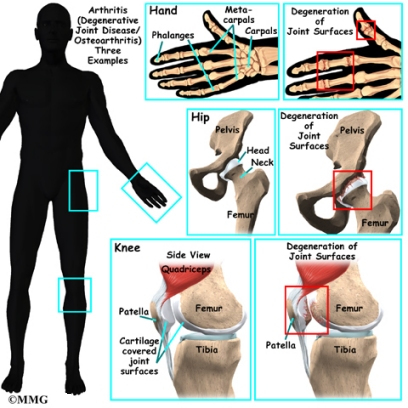
In osteoarthritis, cartilage—the slippery tissue that protects the ends of your bones in the joint—gradually wears down. This can make your knees feel achier than usual after you work out or leave you feeling stiff and old lady-ish when you climb out of bed. No one knows exactly what causes this cartilage breakdown, but a combination of factors like aging, joint injuries, genetic tendencies, and obesity, are all thought to play a role, says the Mayo Clinic.